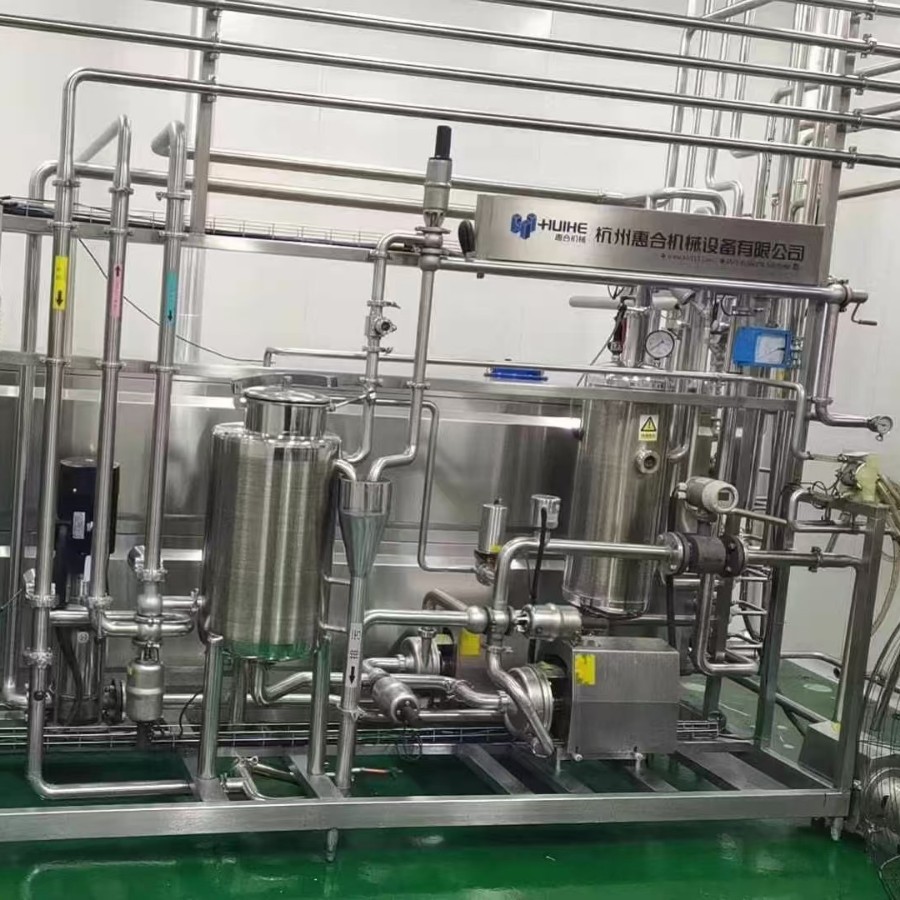
Why Incoterms Matter
Shipping heavy machinery involves significant cost and risk. Incoterms define who is responsible for transport, insurance and customs at each stage of the journey. Choosing the right term prevents surprises and clarifies exactly what you are paying for.

EXW – Ex Works
Under EXW the buyer takes full responsibility from the factory gate. The buyer arranges collection, export customs, ocean freight, insurance and import clearance. This offers the lowest price but the highest responsibility.

FOB – Free On Board
The seller delivers the goods on board the vessel at the named port. Responsibility and cost shift to the buyer once the goods are loaded. FOB is popular because the seller handles inland transport and export clearance, while the buyer controls the ocean freight.
CIF – Cost, Insurance and Freight
The seller pays for freight and insurance to the destination port. The buyer takes responsibility for import clearance and inland delivery. CIF simplifies the buyer’s side but the seller controls the freight, so shipping costs may be higher.
Comparison Table
| Incoterm | Seller covers | Buyer covers |
|---|---|---|
| EXW | Goods at factory | Everything else |
| FOB | Inland transport + export | Ocean freight + insurance + import |
| CIF | Freight + insurance to port | Import + inland delivery |
| DDP | Everything incl. import duty | Unloading only |
LCL vs FCL
For large machines, full container load (FCL) is usually cheaper per cubic meter and safer. Less than container load (LCL) suits small orders but adds handling and consolidation risk. For oversized machinery, breakbulk or flat-rack containers may be required.
Tips for Smooth Shipping
- Get an accurate CBM and weight from the supplier
- Book shipping early — heavy cargo slots fill fast
- Buy cargo insurance for the full value
- Prepare import documents: invoice, packing list, BL, certificate of origin
- Confirm if the machine needs special crating or weatherproofing
Browse related machinery in our product catalogue to compare models and request a quotation.

Join the conversation
Have a question about this topic or want to share your experience? We would love to hear from you. Leave a comment below and our team will get back to you soon.