
The Automation Revolution
Automation has moved from large factories to small and medium businesses. Robotic arms, automated conveyors and smart control systems now deliver consistent quality at competitive costs. Understanding the benefits and costs helps you decide what to automate first.

Where Automation Adds the Most Value
Automation delivers the greatest returns on repetitive, high-volume and hazardous tasks. Packaging, sorting, welding, painting and material handling are prime candidates. Automated systems work 24/7, produce consistent output and reduce reliance on scarce skilled labour.

Robotic Workstations
Modern robotic workstations are easier to program than ever. Collaborative robots, or cobots, can work alongside people safely without safety cages. For many production lines, a cobot is the most cost-effective first step into automation.
Cost Considerations
When evaluating automation, compare the investment against labour savings, increased output and reduced waste. Include training, maintenance and potential downtime in your calculation. Most automated systems pay back within one to three years at high utilisation.
Automation ROI Table
| Factor | Manual | Automated |
|---|---|---|
| Output per shift | 100 units | 160 units |
| Defect rate | 3% | 0.5% |
| Operating hours | 8 hrs | 24 hrs |
| Labour cost | High | Reduced |
| Consistency | Variable | High |
Getting Started
Start with a small, well-scoped automation project. Work with suppliers who understand your industry and can integrate the equipment with your existing line. Build internal skills gradually, and expand automation once the first project proves its value.
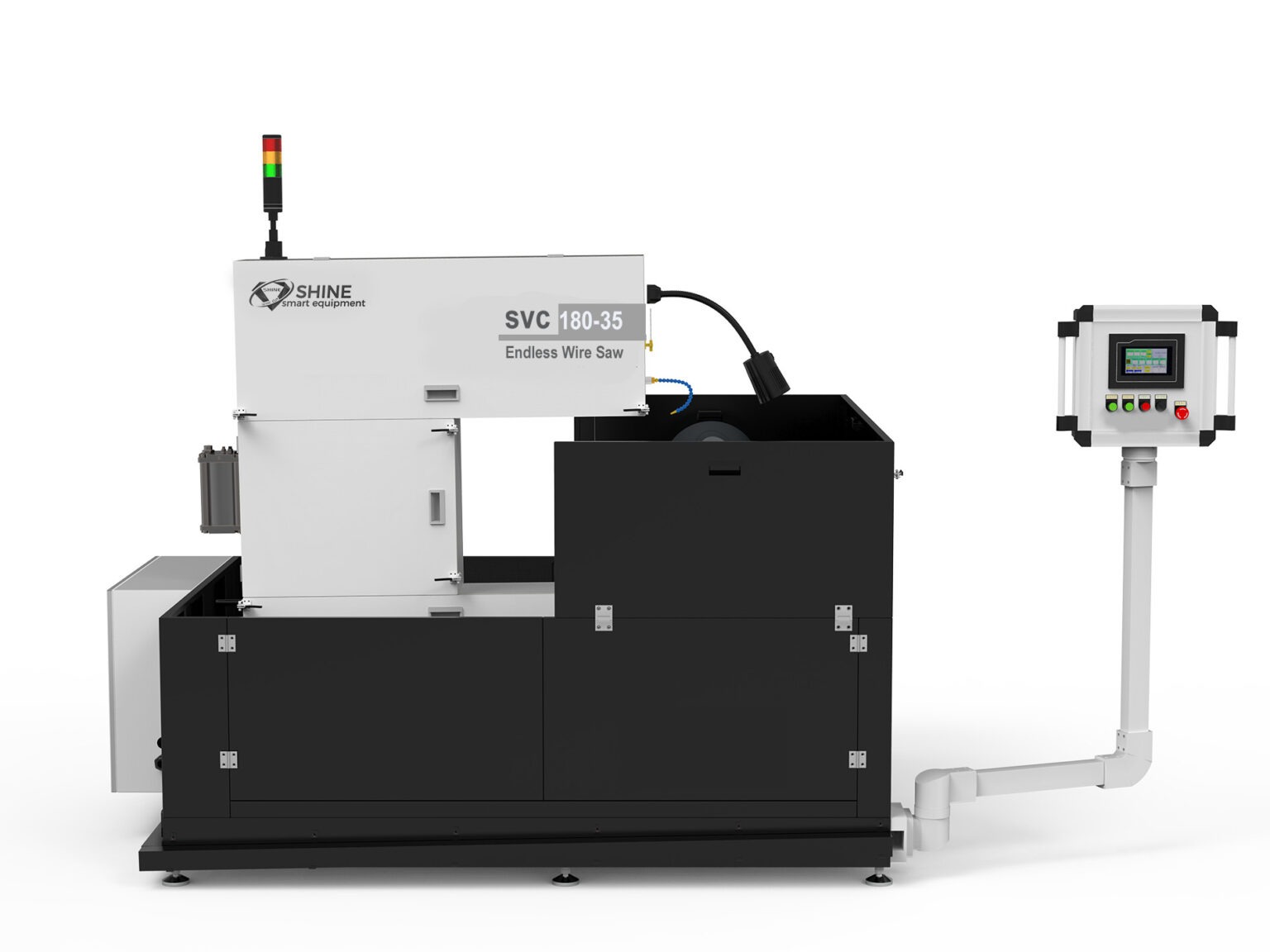
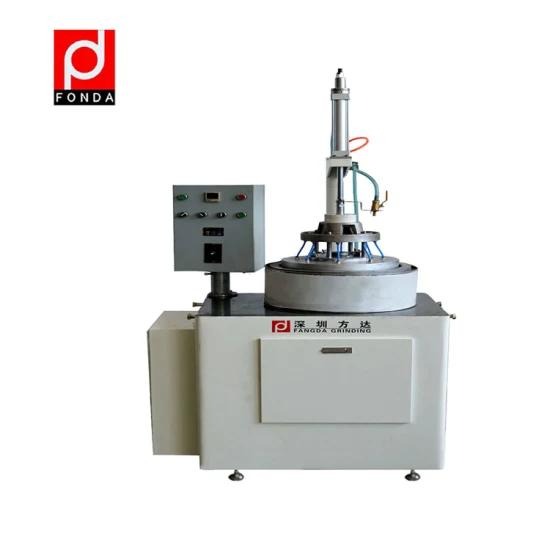
Browse related machinery in our product catalogue to compare models and request a quotation.
Join the conversation
Have a question about this topic or want to share your experience? We would love to hear from you. Leave a comment below and our team will get back to you soon.